
There are places that are not visited only with the eyes, but with the soul. Carl Gustav Jung’s house, overlooking the shores of Lake Zurich, is one of these. Entering its rooms is like crossing the threshold of suspended time, where every object still vibrates with his presence. For me, this was not just a visit, but a return to a familiar place, as if I were walking through the pages of the Red Book, which for years has illuminated my mornings and my inner journey.
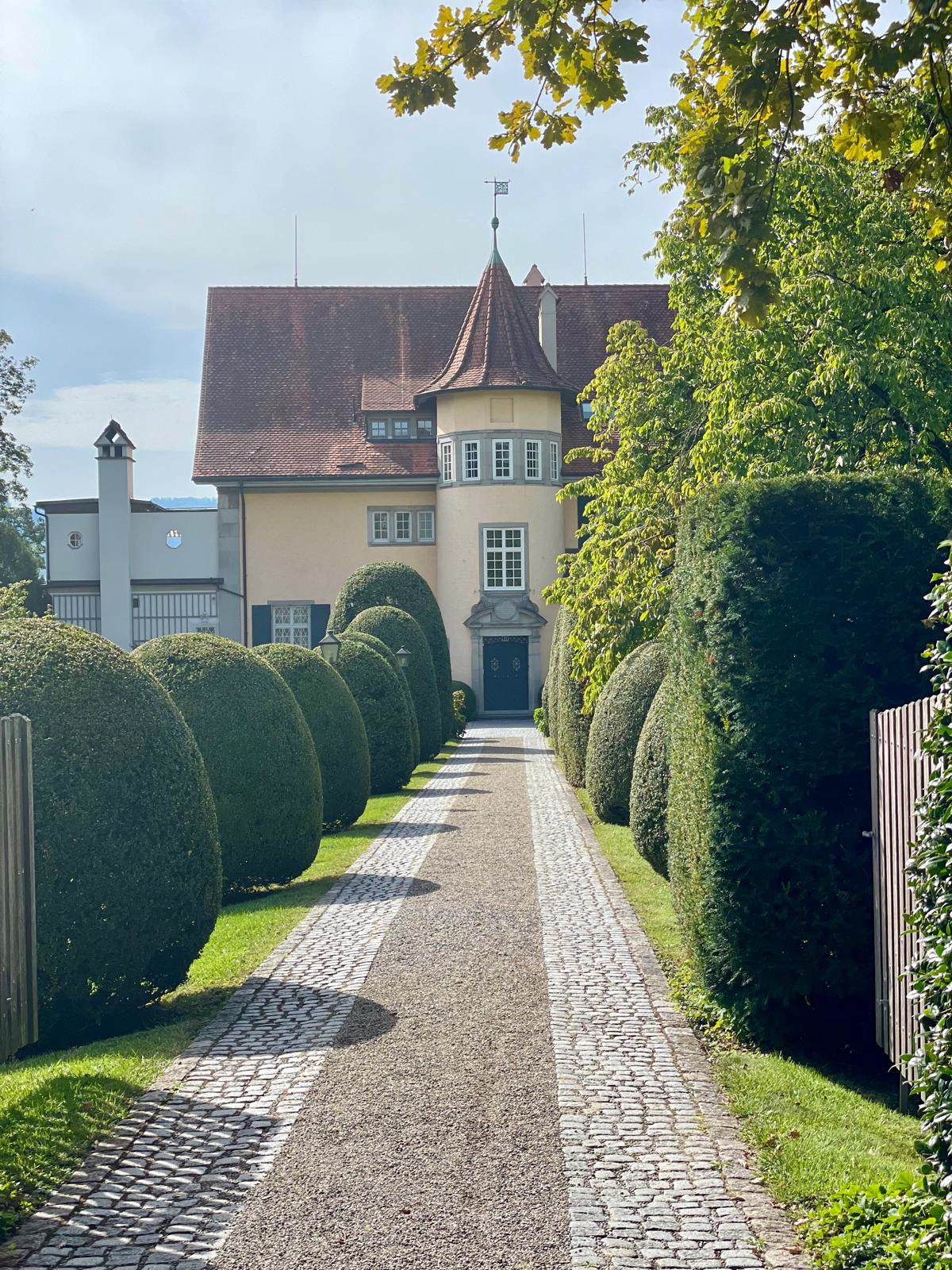
In the Womb of the Symbol: Jung’s Museum House in Küsnacht
In that house, between stone and wood, Jung is not there. Yet, he is everywhere. He is in the absence. In the invisible echo of what he left behind. He is in the vibrant energy of his desk, in the orderly chaos of a spirit that has traversed the depths of the unconscious and brought them to light. I walked through his library as if I entered it every day: in fact, I do, with soul and heart, every time I open the Red Book as soon as I wake up. That book is not just text and image. It is a passage. A threshold. A companion that knows how to remain silent and speak only when necessary. And it does so with a power that brings peace.
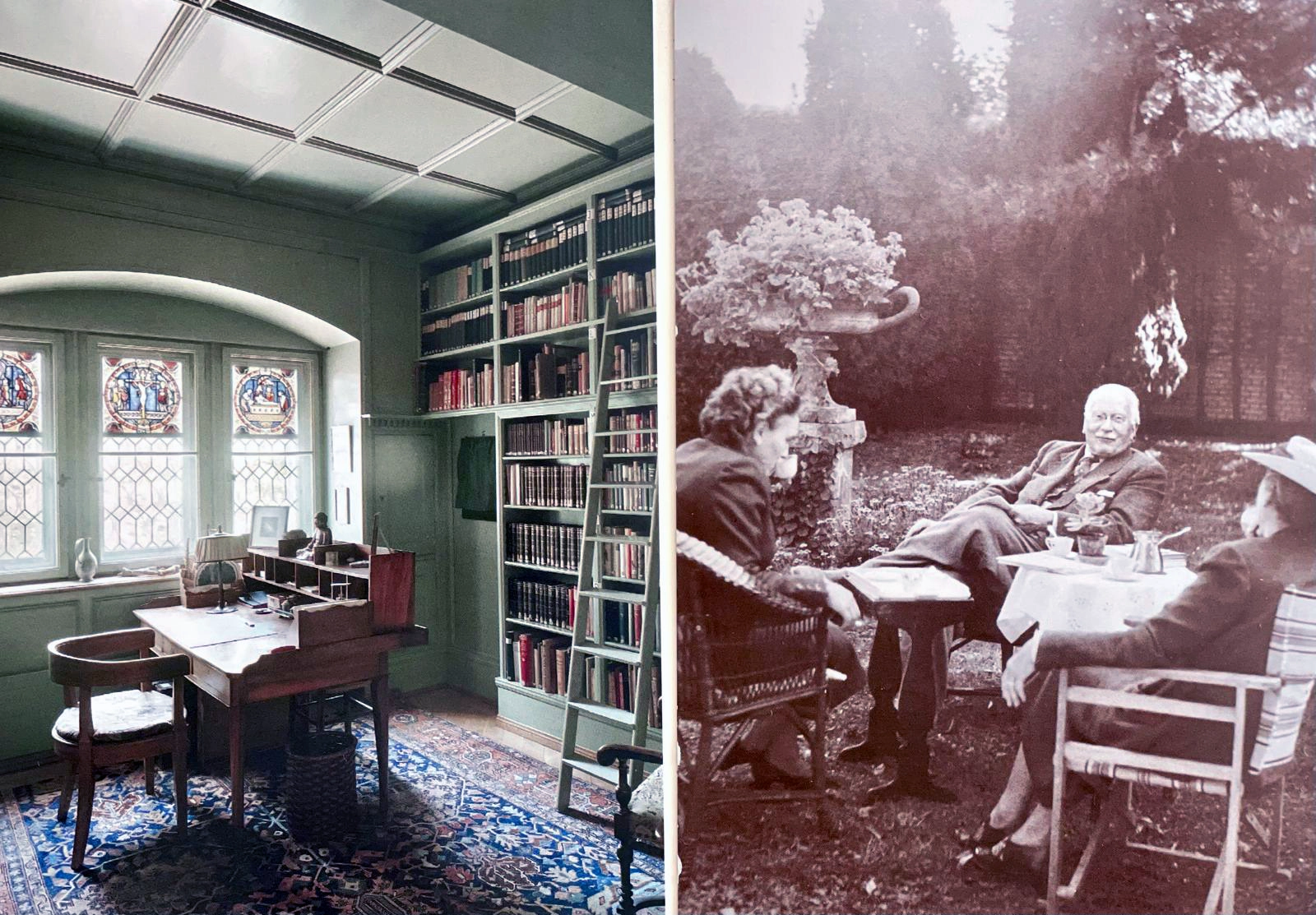
Psyche and Symbol: The Medicine of Consciousness
Jung gave humanity a new way of understanding the mind: not as a mechanism, but as a universe. He taught that the psyche is not healed by fighting the shadow, but by welcoming it. That symbols are not mere images, but bridges between worlds. In a time when society distances us from ourselves, his writings remind us of the dignity of inner life, the importance of inner dialogue, and the sacredness of dreams. All of this still resonates within the walls of his house, but even more so inside those who are ready to listen.
There is not a day when I don’t feel the need to open the Red Book. Even just to look at it. Even just to let myself be gazed upon by one of its drawings. Every phrase, every line, is an invitation to depth, courage, and the nakedness of the soul. It is a book that is not read: it is crossed through. And in the house where it was born, everything confirms this. Anyone who enters with respect and listening feels that his work is alive, urgent, and necessary. In a time that rushes forward, Jung teaches us to stop. To sink. To be reborn.

The Dream That Guides the Awakening
The dawn over the lake, photographed on that day, is perhaps the image that most represents Jung. A beginning that is never separate from the night, a light that arises from the depths. Observing that landscape was like watching a thought take shape: the same one he followed throughout his life, and which he traced as a course for those who will come after. His legacy is not made of certainties, but of questions. Not of definitions, but of visions. And the dream remains, like a beacon, guiding us through the darkness to the light of an awareness never before reached
Adoro Jung. Dall’articolo e’ evidente, che Monica lo conosce molto bene e segue suoi preziosi consigli. Grazie per tuoi pensieri che ci aiutano conoscerlo meglio. Vero che lui dice se ami te stesso puoi amare il prossimo. Tante volte abbiamo paura farsi conoscere meglio proprio per la parte ombra della nostra psiche come lo descrive dottore. E’ proprio questa ombra, la parte nascosta di noi che sempre gioca il ruolo importante tra i rapporti uomo donna e tutto il mondo attornoa noi. Queste vibrazioni positive o negative che emaniamo senza accorgersene sono il collegamento ed impronta che lasciamo nel universo. La nostra aura vibra con amore, con le nostre paure,…Jung conosceva molto bene il
tantra.
Grazie Ada, le tue parole risuonano profondamente: è proprio nell’incontro sincero con la nostra ombra che sboccia la luce dell’amore autentico
Excellent text in which the book Rosso is discussed