

The ancient Indian text Pañchatantra is one of the most important works in didactic literature, a masterpiece rooted in the wisdom, philosophy, and culture of India. The title itself, Pañchatantra, means “Five Treatises” or “Five Principles,” representing the division of the work into five books, each dedicated to teaching a specific quality or strategy for navigating life. This article explores the origin of the Pañchatantra, its meaning, and structure, offering a guide for those interested in reading and understanding the books.
Origin and Meaning of the Pancha Tantra
The Pañchatantra was written by Vishnu Sharma, a sage from ancient India, with the aim of teaching life principles to the sons of a king. Sharma used fables and stories filled with animals and symbolic characters to convey moral and practical lessons, allowing young readers to learn through indirect observation rather than abstract theory.
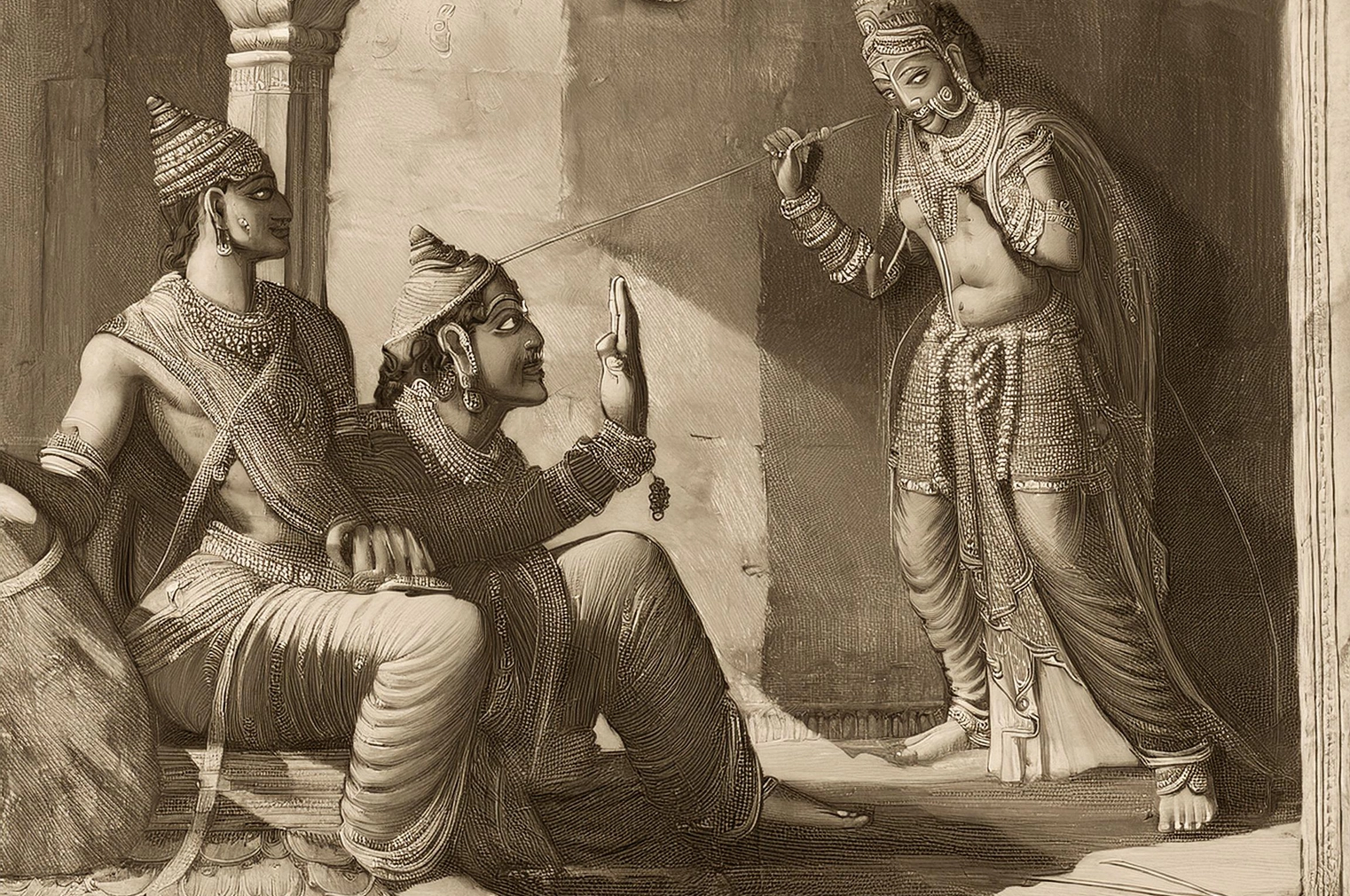
The Pañchatantra was conceived as a manual of wisdom, a collection of timeless precepts crafted by the sage Vishnu Sharma for the education of a king’s sons. Each story encapsulates practical and moral lessons, aimed at preparing the young princes for leadership and the complexities of life. These precepts focus on the essentials of governance, personal conduct, and strategic thinking, presented through engaging fables that emphasize observation, prudence, and decision-making.
1. The Art of Diplomacy: Collaboration and Conflict Resolution
One of the central themes of the Pañchatantra is the importance of diplomacy and collaboration to resolve conflicts and overcome obstacles. This principle is vividly illustrated in stories like The Doves and the Net, where a group of doves, trapped in a net, manages to free themselves by working together.
Lesson: Unity is strength. The ability to collaborate and communicate effectively is essential for tackling difficult situations.
2. Prudence and Deception: Knowing When to Trust
Another fundamental precept is the necessity of carefully evaluating who deserves trust. The fable of The Crow and the Serpent tells of a crow that uses cleverness to take revenge on a serpent threatening its young, demonstrating that wisdom can triumph over brute strength.
Lesson: One must be prudent and astute in recognizing friends and foes, knowing when to use intelligence to protect one’s interests.
3. Perseverance and Courage: Overcoming Adversity
Many stories in the Pañchatantra emphasize that perseverance and courage are key to facing seemingly insurmountable challenges. In The Sparrow and the Sea, a small sparrow confronts the vast ocean to recover her eggs, showing that even the smallest can prevail with determination.
Lesson: Never underestimate the power of will. Determination, combined with a clear strategy, can transform even the most challenging situations.
4. Wisdom and Strategy: Knowing When to Act
Another essential principle from the Pañchatantra is the importance of using wisdom and strategic thinking to determine the right time to act. The fable of The Turtle and the Geese illustrates this concept, where a turtle, despite its desires, carefully listens to the advice of its friends and chooses not to act impulsively, avoiding danger.
Lesson: Strategic thinking and patience are crucial. Knowing when to act, and when to wait, can often determine the success or failure of a situation.
5. The Power of Adaptability: Embracing Change
The final precept in the Pañchatantra focuses on the necessity of being adaptable in the face of change. The fable of The Jackal and the Drum shows how a clever jackal, initially frightened by the sound of a drum, adapts to the situation by finding a way to make the noise work to his advantage.
Lesson: Adaptability is key. Being able to embrace change and adjust to new circumstances is essential for survival and success in an ever-changing world.
A Universal Guide to Leadership and Life
These precepts were not only tools for shaping the wisdom and character of future rulers but also universal lessons on navigating the trials of everyday life. By embedding these teachings in stories, Vishnu Sharma ensured their relevance and accessibility across generations, making the Pañchatantra a treasure trove of insights for both personal growth and leadership.
In line with this timeless wisdom, our commitment at Puratantra is to continue celebrating and sharing these ancient teachings, helping individuals explore the profound lessons of the Pañchatantra in the context of modern challenges. By connecting the past with the present, we aim to inspire new generations to embrace the principles of diplomacy, perseverance, and prudence, enriching their personal and professional lives.
You can visit our travel packages https://diamonvajra.com/cuddles/ or divine postcards https://diamonvajra.com/product/a-n-u-r-a-v/ , which offer you unique and lasting enlightenment, leaving you with a pure and unforgettable memory